
Reflection 7
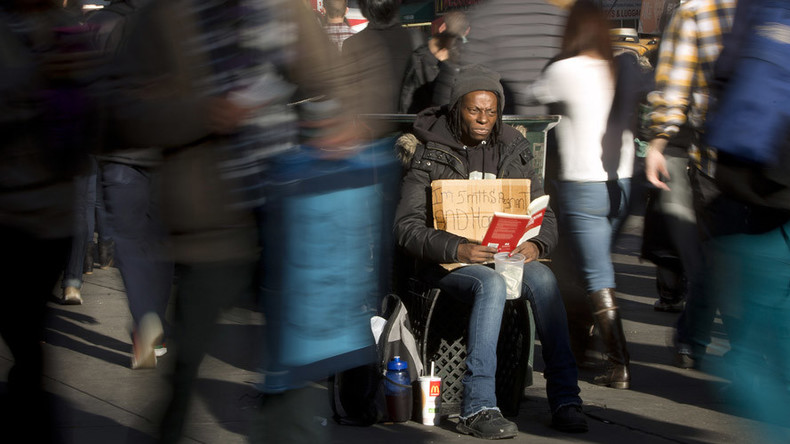
According to PovertyUSA, in 2018, 38.1 million people lived in Poverty USA. That means the poverty rate for 2018 was 11.8% (povertyUSA.org). Poverty is much more than just not making enough money, there are many different social problems that further arise from living in poverty.
After spending some time with the game SPENT, I was able to get as close to a first-hand experience with the life choices and situations that arise from living a life in poverty. The game essentially has you accept a challenge of living a month as someone in poverty does. You begin by choosing a job, as well as if you want to pay for health insurance, and how close you want to live to work in regards to the cost of rent and cost of travel to and from work back home. You are also a parent to a child and pet owner during the simulation. The rest of the days have different prompts or problems that come everyday and you are given a chose between 2-4 options as to what you would do in each situations.
Some of the situations that you are asked to make a decision about focused on your personal health, paying off debt, your car, your child and their social life, your social life, work, your pet and family/friends.
The prompts were really challenging. You wanted to make sure that you are making the right decisions, and sometimes none of the choices felt right, or you were worried about how much money you had left if you made the best decision, such as paying to go to the doctors for chest pains or paying for your car to be repaired.
It was really eye-opening to see what over 38 million Americans go through every single day. This is real life to them and they are faced with these challenges every single day. Some things I learned through the simulation were that many people in poverty struggle with obesity because access to fresh food can be more expensive and of course it is perishable, which can lead to food waste and waste of money. I also learned about the challenges that those in poverty make in-regards to their children, such as how many of them cannot pay for their children to join sports teams or attend birthday parties because it is an extra expense.
We can see in the media that often times poverty is represented in a negative light, making people out to be lazy, a “threat” such as a stigma around theft in those who are at the poverty level, or just overall in a negative light. An example is this episode of Everybody Hates Chris when they discuss the stigma around food stamps and how using them make her feel. The clip is done so in a “humorous” way, but the girl says some real things that those in poverty struggle with every day.
The simulation made me realize how blessed and fortunate those of us our who don’t have to make these choices on the daily and how there is so much work to be done to help those in poverty and to lower the rate of poverty in the United States.
 Alayna Kelty
Very insightful article. I think if more people who are middle income and up would help people in impoverished areas it might help improve their life. Plus if fathers stayed in the family they have a better chance of getting out of poverty.
LikeLike