
Reflection 5: Immersion
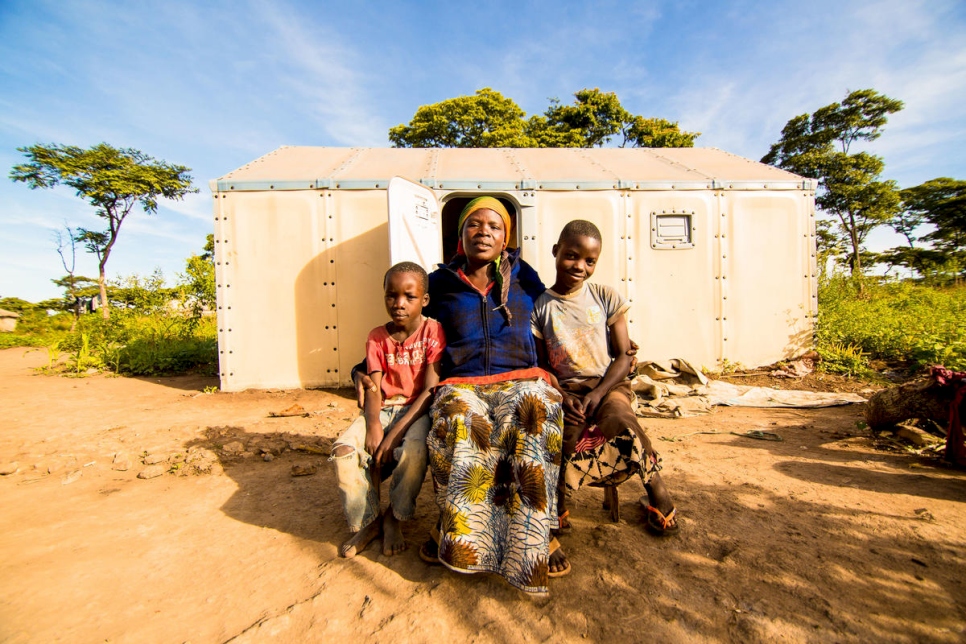
According to the UNHCR, a refugee is someone who has been forced to flee his or her country because of persecution, war, or violence. Reasons they may be fearful of persecution includes religion, race, nationality, and political opinion.
About five years ago, The New York Times uploaded a 360 VR Video experience on YouTube titled, The Displaced. The short film includes stories about three children from different countries who are now refugees. These children, as young as 9 years old, are being forced to flee their homes and their country, leaving them with nothing. Many of them losing family and loved ones on their journey.
Nearly 60 million people around the world have been driven from their homes by war and persecution — more than at any time since World War II.
Half are children.
The New York Times
Oleg, 11, is a child from the Ukraine. The war in the Ukraine forced him and his parents to flee their village, returning back a year later with their village destroyed.
Chuol, 9, is a child from South Sudan. His grandmother and him were forced to flee their village to an island in the swamp when it was attacked over the summer.
Chuol, a 9 year old boy, talked about life in the swamp. He lost his family and is only left with his grandmother. When talking about the crocodiles in the swamp, he said,
“What I know is that if I am eaten by a crocodile, it may be a slow death, but it is better than being killed by the fighters.”
Chuol. The New York Times
Hanah, 12, is a child from Syria. She and her family left Syria and now live in a refugee settlement in the Bekaa Valley in Lebanon.
These children are forced to give up their lives, their safety, and their childhood to fight for their life and take care of themselves with the little they have. Watching these children share the realities of their lives and show where they live and work is heartbreaking. These children tend to be impacted the most because they lose their family members, like their parents, because they are trying to protect their children from danger, thus being harmed in return.
Oleg, the boy from the Ukraine, returned back to his old school with his friends that was destroyed during the war. He said,
“Before when the teachers would yell at us, we’d say, “Wouldn’t it be cool if the school blew up?” I would never say that now.”
Oleg, The New York Times
After engaging with the VR experience, I was humbled, shocked, and upset. This experience really opened my eyes to the many blessing in my life that I take for granted, as many of us do, day by day. There is so much emotion in the short film, which was extremely powerful and impactful. I’m left speechless at what over 60 million people go through in their everyday lives.
I realize that when you are put into a position of privilege, such as the lives many of us live here in the United States, we should use our resources to do better and help others. The experience also gives me insight on the strong sense of community other countries and cultures have that I feel as though here, in America, we can make so many improvements on.
I think it’s really important to show people films and experiences like this because it is eye opening and it is something many of don’t think about on a daily basis. When we don’t learn about others experience, we develop an “out of sight, out of mind” mentality, which is why so many of these people are still stuck in these positions. We take for granted what we are given and we need to realize what is actually going on in our world. We are all human.
 Alayna Kelty